The European Union (EU), the United Nations Office on Drugs and Crime (UNODC) and the Economic Community of West African States (ECOWAS) have expressed support for Nigeria’s 2026–2030 National Drug Control Master Plan aimed at tackling substance abuse and illicit drug trafficking.
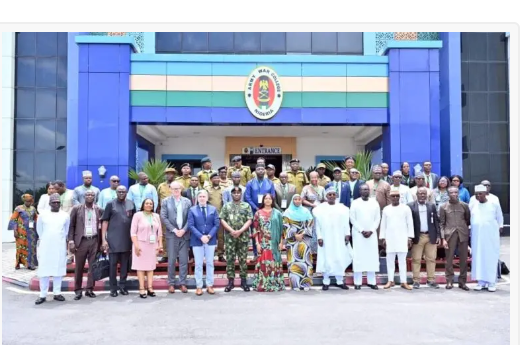
The backing was announced on Monday during the opening session of a two-day National Drug Control Master Plan Consultative Forum organised by the National Drug Law Enforcement Agency (NDLEA) in Abuja.
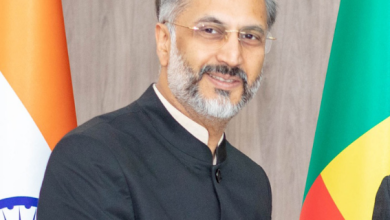
The EU Deputy Head of Delegation to Nigeria and ECOWAS, Mr Zissimos Vergos, said the EU was committed to supporting Nigeria’s ongoing efforts to combat drug-related challenges.
He described drug trafficking as a transnational issue requiring coordinated international response, noting that what affects communities in Nigeria also has implications beyond its borders.
“Our presence here today is that of partners who have walked this uphill and rough road ourselves, and we continue doing that.
“We have learned valuable lessons from them, and we believe deeply that Nigeria’s stability and Europe’s security are inseparable,” Vergos said.
He stressed that the drug problem affects both continents, adding that the situation in Nigerian cities reflects a wider global challenge.
“What affects the youth of Maiduguri or the streets of Ibadan does not stay within Nigerian borders,” he added.
Vergos said the EU had updated its own drug strategy, with international cooperation as a key pillar, and reaffirmed commitment to working with Nigeria on implementation of its master plan.
He also commended the leadership of the NDLEA and other stakeholders for their efforts in addressing drug trafficking and substance abuse.
According to him, the master plan represents a shared responsibility to protect families affected by addiction and drug-related crimes.
“I think we owe this to every Nigerian family that has been touched by addiction, by trafficking, by grief, or by the quiet despair of watching someone they love lose themselves,” he said.
UNODC Country Representative, Mr Chiekh Touré, noted that global drug trends were rapidly evolving, driven by synthetic drugs, advanced trafficking networks and the use of technology to expand illicit markets.
He said Nigeria sits at the centre of these challenges, making a comprehensive and forward-looking national strategy essential.
“This underscores the urgency of developing a master plan that is not only comprehensive and balanced, but also data-driven, forward-looking, and adaptable to emerging threats,” Touré said.
He reaffirmed UNODC’s commitment to supporting Nigeria through law enforcement capacity building, drug demand reduction, prevention and treatment programmes, and international cooperation.
Touré added that the new master plan presents an opportunity to strengthen data systems, improve institutions and ensure a people-centred approach to drug control.
He assured that UNODC would continue to provide technical support and global expertise to Nigeria and the wider West African region.
Also speaking, Commissioner for Human Development and Social Affairs at the ECOWAS Commission, Dr Daniel Amankwaah, described the Nigerian drug control plan as an important regional initiative.
He said ECOWAS member states had benefited from Nigeria’s efforts, as some of the frameworks used were developed from its model.
Amankwaah commended the NDLEA for effectively implementing previous support programmes and said visible results had already been recorded.
“I want to just convey our message that ECOWAS Commission is ever ready and we are going to accompany you,” he said.
He added that ECOWAS would continue to support Nigeria not only in policy development but also in implementation, to ensure safer communities across West Africa.