Stakeholders on Thursday in Abuja underscored the importance of culture as a powerful instrument for national identity, unity, diplomacy and economic development during the 2026 Cultural Diversity Day celebration.
The event, organised in partnership with the Korean Cultural Centre Nigeria, brought together diplomats, youth groups, cultural advocates, students and members of the public to mark the United Nations Educational, Scientific and Cultural Organisation’s (UNESCO) World Day for Cultural Diversity for Dialogue and Development.
Held at the Korean Cultural Centre studio in Abuja, the programme was themed “Culture as Power: Shaping Nations through Creativity and Identity,” with speakers stressing that culture should be viewed not only as tradition or entertainment but also as a strategic tool for strengthening societies and promoting innovation.
Speaking at the event, the Director of the Korean Cultural Centre Nigeria, Jeon Juho, said young people are already playing a leading role in cultural transformation.
“Young people are not only the future of cultural exchange; they are already active drivers of change,” he said, noting that their creativity can help bridge cultural divides and foster mutual understanding between nations.
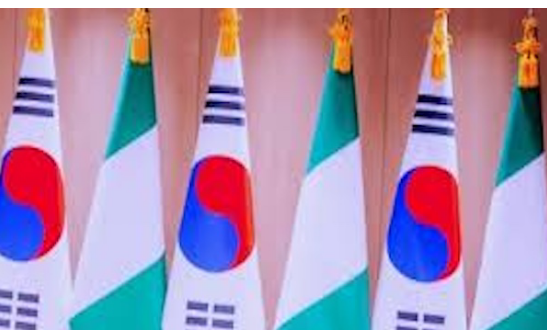
He added that the celebration was designed to deepen intercultural dialogue and strengthen cultural ties between Nigeria and South Korea.
“Today’s event celebrates culture not only as a reflection of who we are, but also as a powerful force that shapes nations and builds connections across borders,” he stated.
Participants warned against the erosion of indigenous cultural values among younger generations, insisting that cultural identity remains vital to national cohesion and social stability.
“Our youth, including adults, should not throw away their culture,” one discussant said. “Our culture is our identity. Our culture is our memory. Our culture is what should bring us together and not put us apart.”
Speakers also highlighted the growing importance of cultural diplomacy, noting that countries are increasingly using music, film, literature, fashion and other creative arts to project identity and strengthen international relations.
According to organisers, Nigeria and South Korea have continued to expand cooperation through educational exchanges, youth programmes, artistic collaborations and technology-sharing initiatives.
A participant explained that the Korean Cultural Centre Nigeria has provided a platform for mutual understanding between both countries.
“They opened the door for this collaboration,” the participant said. “They are in Nigeria representing Korean culture, so we are celebrating both our culture and their culture together.”
The event further emphasised the economic value of culture, with stakeholders noting that creative industries contribute to tourism, job creation, innovation and technology transfer.
Representing UNESCO, UNESCO official Peter Omale said cultural exchange programmes extend beyond culture into knowledge and technology sharing.
“We have cultural exchange programmes where we exchange not only culture, but also technology,” he said. “That is part of the gain.”
Analysts at the gathering observed that countries with strong cultural industries tend to enjoy greater global visibility and economic opportunities through entertainment, tourism and digital innovation.
The programme also featured the Kim Poo Essay and Video Contest, where organisers praised participants for their creativity and intellectual engagement, saying young people are central to shaping the future through storytelling and innovation.
Activities at the celebration included panel discussions, cultural performances and award presentations aimed at promoting tolerance, diversity and intercultural cooperation.
The UNESCO-backed World Day for Cultural Diversity for Dialogue and Development is observed globally every May 21 to promote cultural diversity as a foundation for peace, inclusion and sustainable development.
Over the years, the Korean Cultural Centre Nigeria has supported cultural exchange through language training, film screenings, music events and youth engagement programmes.
Participants expressed optimism that sustained cultural collaboration between Nigeria and South Korea would further strengthen diplomatic and economic relations between both countries.