The World Health Organisation (WHO) has reported a sharp decline in suspected Ebola cases in central Africa, with figures dropping from more than 900 to 116 within a short period.
The update, released on Tuesday, showed that suspected cases in the Democratic Republic of Congo (DRC) had fallen significantly from 906 to 116 as of May 31, while confirmed cases stood at 321.
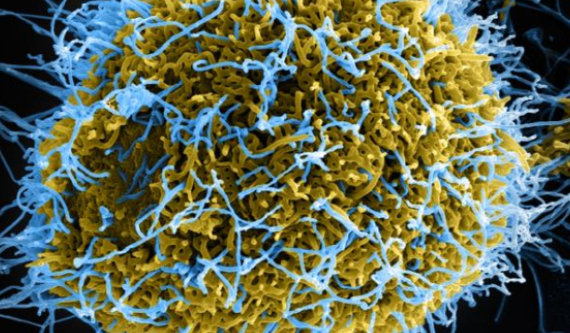
According to WHO, the outbreak—first declared on May 15 in the conflict-hit Ituri province in northeastern DRC—has continued to evolve as surveillance and testing efforts intensify across affected areas.
The organisation also confirmed nine cases in neighbouring Uganda, including one death, bringing renewed attention to cross-border transmission risks in the region.
WHO spokesman Christian Lindmeier explained that the reduction in suspected cases was due to ongoing laboratory testing, which ruled out many individuals who initially presented symptoms similar to Ebola.
He noted that early symptoms of the Bundibugyo strain of Ebola often resemble malaria, typhoid, or flu-like illnesses, leading to a high number of initial suspected cases before confirmation.
“Anybody who gets picked up by surveillance or presents themselves in a health facility with any symptoms that could be Ebola-like is counted as a suspected case in the outbreak, pending testing,” he said.
Lindmeier added that many of those initially listed as suspected cases were later confirmed to have other illnesses.
“For example, there had been a couple of cases with malaria or meningitis or others. So they then of course drop off the suspected cases list and don’t appear in that statistic any more,” he said.
He further explained that once individuals are tested and ruled out, they are removed from the suspected category and only confirmed cases are retained in official counts.
“If you’re confirmed, you’ve been added then to the confirmed cases,” he added.
WHO said it is normal for suspected case numbers to fluctuate during outbreaks as testing progresses, even while confirmed cases continue to rise.
The organisation also revised earlier figures on suspected deaths, stating that the category had been removed due to uncertainty in verifying cases, particularly where remains could not be tested.
Health officials confirmed that six patients have recovered from the disease so far.
However, WHO warned that no approved vaccine or specific treatment currently exists for the Bundibugyo strain of Ebola, making containment heavily dependent on prevention, surveillance, and rapid response measures.
The outbreak has drawn concern due to its location in a conflict-affected region with limited access to healthcare services, raising fears of further spread if containment efforts are weakened.