The Pan-Niger Delta Forum (PANDEF) has called on the Federal Government to conduct a forensic audit of previous oil block allocation exercises by the Nigerian Upstream Petroleum Regulatory Commission (NUPRC), arguing that such a review would promote transparency and ensure fairness in future licensing rounds.
The group also demanded that a significant portion of oil blocks and marginal fields be reserved for indigenous companies owned by Niger Delta people, proposing that at least 60 per cent of available assets should be allocated to firms from the oil-producing region.
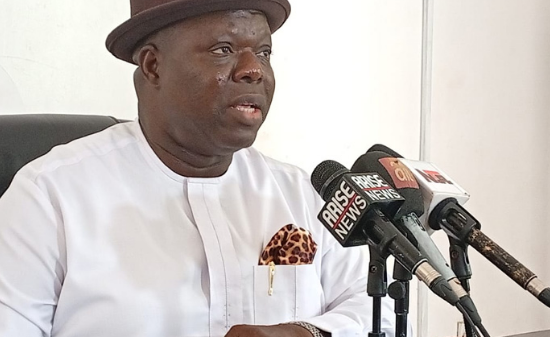
PANDEF made the demands in a statement issued by its National Publicity Secretary, Dr. Obiuwevbi Ominimini, following the 2025 NUPRC Commercial Bid Conference in Abuja.
The organisation said a transparent review of previous licensing processes was necessary to address concerns over the distribution of petroleum assets and create a more inclusive system for communities that host Nigeria’s oil and gas resources.
“We hereby call on the Federal Government to audit and probe the past administration of the NUPRC in the last commercial bid processes, which led to the allocation of so many oil blocks. The forensic process will guide a further clean process,” PANDEF stated.
The group argued that reserving oil assets for Niger Delta investors would give residents of the region a stronger sense of ownership and participation in an industry built on resources extracted from their communities.
PANDEF criticised what it described as the continued neglect of oil-producing communities despite their contribution to Nigeria’s economy, questioning why communities in the Niger Delta continue to face environmental degradation, poverty and limited economic opportunities.
According to the group, while government officials highlight Nigeria’s attractiveness as a global oil and gas investment destination, the environmental consequences of decades of exploration continue to affect residents of producing areas.
PANDEF raised concerns over gas flaring and pollution, alleging that many communities across Delta, Bayelsa, Rivers, Akwa Ibom and other Niger Delta states have suffered contaminated water sources and damaged ecosystems due to oil activities.
The organisation questioned the effectiveness of government measures to address gas flaring and environmental challenges, arguing that penalties paid by companies for gas flaring should be channelled toward improving the welfare of affected communities.
It also lamented that many Niger Delta communities have not benefited sufficiently from the petroleum resources extracted from their lands, describing oil as a burden rather than a blessing because of environmental and socio-economic challenges.
PANDEF further questioned the ownership structure of oil blocks and marginal fields, asking how many of the assets are controlled by people from the Niger Delta despite the region being the source of the country’s crude oil wealth.
The group called for greater resource participation by local communities, arguing that people who bear the environmental impact of oil production should also have opportunities to benefit economically from the sector.
PANDEF also urged the Federal Government to establish a legal framework allowing local operators of artisanal petroleum refineries to operate legally under proper regulation.
The group said some local refinery operators in the creeks possess technical capabilities that could contribute to Nigeria’s energy development if properly organised and supported rather than being completely shut down.
It questioned why Nigeria continues to rely heavily on imported petroleum products despite having large crude oil reserves and major refining infrastructure, while local initiatives are being restricted.
The forum maintained that a more inclusive petroleum policy, stronger environmental protection measures and greater participation of Niger Delta people in the oil industry were necessary to address longstanding grievances and promote national unity.