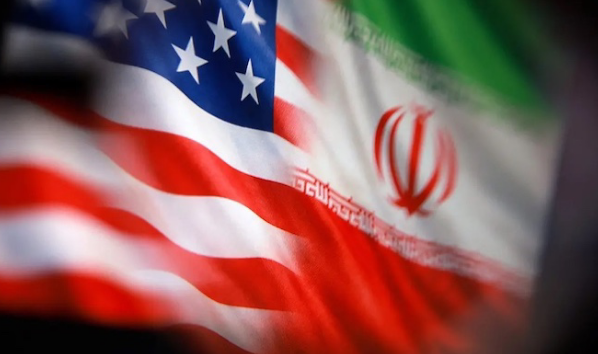
Iran’s Foreign Minister Abbas Araghchi has met Pakistan’s Interior Minister Syed Mohsin Naqvi in Tehran as diplomatic efforts intensify to explore possible proposals aimed at ending the ongoing U.S.-Israeli war, according to Iranian state-linked media reports.
The meeting, held on Friday, was part of renewed back-channel discussions involving regional actors attempting to narrow differences between Tehran and Washington over key security and nuclear issues.
Reports from Iran’s semi-official Tasnim News Agency and ISNA said Naqvi has been acting as a diplomatic intermediary, helping to relay messages between both sides in the negotiations.
ISNA further noted that the Pakistani minister’s visit came just two days after he delivered Washington’s latest communication to Iranian authorities.
“Naqvi was facilitating communication efforts to try and achieve a framework for ending the war and resolving differences,” the report stated.
Despite ongoing dialogue, deep disagreements remain between the United States and Iran, particularly over Tehran’s uranium enrichment programme and control of strategic maritime routes.
The Strait of Hormuz, a key global shipping corridor for oil and liquefied natural gas, has emerged as a major sticking point in the talks.
U.S. Secretary of State Marco Rubio described recent developments as cautiously encouraging but warned that progress could collapse if Iran insists on introducing a toll system in the waterway.
“There’s some good signs. I don’t want to be overly optimistic… So, let’s see what happens over the next few days,” Rubio said.
He added that any attempt to restrict or monetise passage through the Strait would undermine diplomatic efforts.
“It would make a diplomatic deal unfeasible. It’s a threat to the world if they were trying to do that, and it’s completely illegal,” he said.
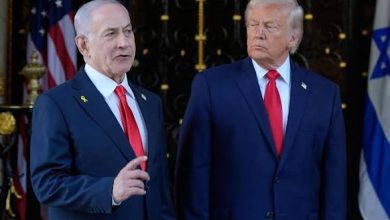
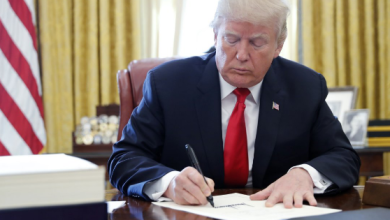
U.S. President Donald Trump also weighed in on the negotiations, restating Washington’s position that Iran’s highly enriched uranium stockpile must be secured by the United States.
Trump said the material could potentially be used for weapons development, an allegation consistently rejected by Tehran.
“We will get it. We don’t need it, we don’t want it. We’ll probably destroy it after we get it, but we’re not going to let them have it,” he said.
He also criticised Iran’s reported plan to impose charges on vessels passing through the Strait of Hormuz.
“We want it open, we want it free. We don’t want tolls. It’s an international waterway,” he added.
Iranian officials have rejected several of Washington’s conditions, insisting that control over nuclear materials remains a sovereign issue.
According to senior Iranian sources cited by Reuters, Supreme Leader Ali Khamenei has directed that Iran’s uranium stockpile should not be transferred abroad.
Tehran’s broader proposal reportedly included demands for sanctions relief, compensation for war-related damages, release of frozen assets, and the withdrawal of U.S. forces from the region.
While both sides acknowledge some narrowing of differences, major disagreements persist over uranium enrichment levels and maritime access through the Strait of Hormuz.
The prolonged conflict has continued to disrupt global energy markets, with oil prices rising amid fears of supply shortages.
Before the escalation of hostilities, about one-fifth of global oil and liquefied natural gas shipments passed through the Strait of Hormuz. That figure has reportedly dropped significantly due to insecurity in the region.
The International Energy Agency (IEA) described the situation as the world’s most severe energy shock in recent years, warning that peak seasonal demand could push markets into a “red zone” during the summer months.
Financial analysts also noted increased volatility, with the U.S. dollar strengthening as investors reacted to uncertainty surrounding the peace process.
Despite ongoing negotiations, both Washington and Tehran remain entrenched, with no clear breakthrough in sight as diplomatic efforts continue.