Ugandan health authorities have confirmed three additional Ebola cases, raising concerns over the spread of the deadly virus linked to the outbreak in the neighbouring Democratic Republic of Congo (DRC).
The latest development comes barely a day after the World Health Organization (WHO) raised the Ebola risk level in the DRC to its highest category.
According to Ugandan officials, the three new infections bring the total number of confirmed Ebola cases in the country to five since the outbreak was first detected on May 15.
The patients were identified as a Ugandan driver, a Ugandan health worker and a Congolese woman from the DRC, which remains the epicentre of the outbreak.
“Three new cases of the Ebola Virus Disease (EVD) have been confirmed in the country,” Uganda’s Ministry of Health said in a statement posted on X on Saturday.
Authorities confirmed that all three patients are currently alive and receiving medical attention.
The WHO on Friday described the Ebola situation in the DRC as “very high risk,” while maintaining that the global risk level remained low.
Ebola is a highly infectious viral disease transmitted through direct contact with bodily fluids and is capable of causing severe bleeding, organ failure and death.
According to WHO figures, the DRC has recorded 82 confirmed Ebola cases and seven confirmed deaths, alongside nearly 750 suspected infections and 177 suspected fatalities.
Health experts believe the virus may have been spreading unnoticed for some time before the outbreak was officially detected.
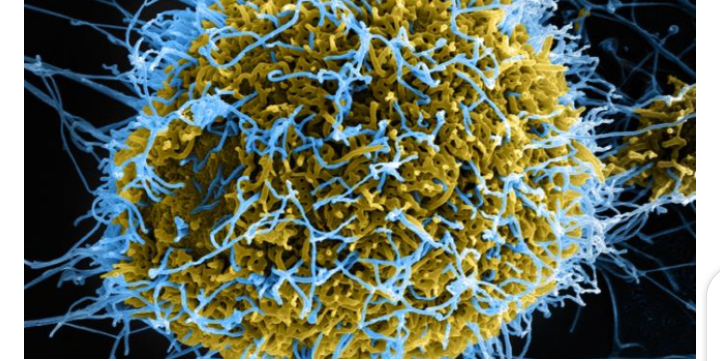
The current outbreak is linked to the Bundibugyo strain of Ebola, a less common variant for which there are currently no approved vaccines or treatments.
Uganda had earlier suspended all public transport to the DRC after recording its first Ebola infection and death involving Congolese nationals who crossed into the country.
Health officials disclosed that the Ugandan driver confirmed positive on Saturday had transported one of the infected Congolese patients into Uganda.
The infected health worker was also said to have contracted the virus while attending to the Congolese patient during treatment.
The ministry further revealed that the Congolese woman had initially sought treatment in Kampala for abdominal pains before she was discharged in good condition on May 14.
“She tested positive for Ebola after she returned to the DRC,” the ministry stated.
Ugandan authorities said all individuals who had contact with the confirmed cases had been identified and placed under close monitoring.
WHO Director-General Tedros Adhanom Ghebreyesus described the outbreak response in the DRC as “especially challenging,” citing insecurity and poor access to affected communities.
He noted that health workers were battling to contain the virus in remote and conflict-ridden areas while tracing contacts of infected persons.
The outbreak is concentrated in eastern DRC, a region that has witnessed decades of armed conflict involving several militia groups.
The disease was first detected in Ituri Province before spreading to South Kivu, including territories reportedly controlled by the Rwanda-backed M23 militia.
Public frustration has continued to grow in some affected communities, with residents accusing authorities of responding slowly to the outbreak.
Health experts also warned that managing the epidemic in areas controlled by armed groups could complicate containment efforts, especially given the history of Ebola outbreaks in Africa that have claimed thousands of lives over the past five decades.