Fresh exchanges of fire were reported in southern Lebanon even after Israel and Hezbollah accepted a U.S.-backed proposal aimed at easing hostilities, underscoring the fragile nature of the latest ceasefire arrangement.
U.S. President Donald Trump said he had spoken with both sides, noting that they agreed to halt attacks following warnings from Iran that continued Israeli operations in Lebanon could undermine a wider U.S.-Iran understanding.
Lebanese authorities said Hezbollah agreed to a plan under which it would stop attacks on Israel, while Israel would avoid strikes on Beirut.
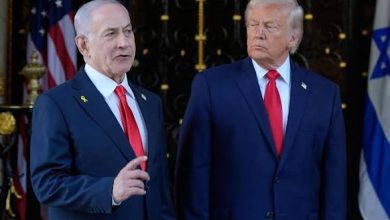
Israeli Prime Minister Benjamin Netanyahu also confirmed the arrangement but warned that operations could resume if Hezbollah continued targeting Israeli civilians.
Netanyahu maintained that Israeli forces would remain active in southern Lebanon, insisting the agreement did not limit defensive operations in the area.
Despite the reported understanding, Hezbollah said its fighters targeted Israeli tanks in Haddatha and Bayada overnight using missiles and artillery fire.
The Israeli military said it intercepted two projectiles launched from Lebanon in the early hours of Tuesday, with no casualties reported.
Lebanon’s National News Agency reported Israeli strikes across several southern locations, while a powerful blast linked to a demolition operation was reported in Debbine.
Earlier on Monday, Netanyahu ordered strikes on what he described as militant targets in Beirut’s southern suburbs following rocket and drone attacks attributed to Hezbollah.
The developments drew a strong response from Tehran, with Iranian Foreign Minister Abbas Araghchi insisting that the U.S.-Iran ceasefire covered all related fronts, including Lebanon, warning that violations there would undermine broader diplomatic efforts.
Iran’s Tasnim news agency also reported that Tehran could suspend indirect negotiations with Washington over Israeli military actions in Lebanon, adding that allied groups might consider expanding operations to other strategic waterways.
Trump later insisted that talks with Iran were progressing and described his discussions with Netanyahu and Hezbollah representatives as constructive, saying both sides had agreed to halt direct attacks on Beirut.
Lebanon became directly involved in the wider conflict on March 2 after Hezbollah launched rockets into Israel following an Israeli strike that killed Iran’s supreme leader.
Israel responded with sustained air and ground operations in southern Lebanon.
Lebanon’s health ministry says at least 3,433 people have been killed since the conflict began, while Israel reports 25 soldiers and four civilians killed in the same period.
The United States has attempted to separate the Lebanon crisis from broader negotiations with Iran, though Tehran continues to argue that any lasting agreement must include conditions for peace in Lebanon.
A U.S. official said Secretary of State Marco Rubio had proposed a phased de-escalation plan to Israeli and Lebanese leadership.
Although a ceasefire took effect on April 16, Israel has carried out limited strikes in Beirut, with officials saying such operations may continue depending on security developments.
Meanwhile, tensions between the United States and Iran have remained high despite a separate ceasefire declared on April 8, with both sides accusing each other of recent attacks on military facilities.
Oil prices rose sharply following the renewed hostilities, reflecting market concerns over potential disruptions to global energy supplies.
The three-month conflict has also heightened instability around key maritime routes, including the Strait of Hormuz, a critical passage for global oil and gas shipments.
Trump has maintained that a permanent agreement with Iran remains possible, though no final deal has been reached.