Iran has dismissed reports suggesting that the United States may use frozen Iranian assets to compensate Gulf allies for war-related damage, warning that any such move would be illegal and could trigger a response from Tehran.
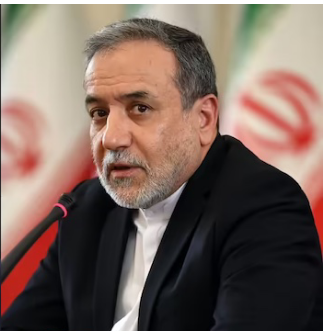
Deputy Foreign Minister Kazem Gharibabadi said regional governments were “not in a position to demand reparations” from Iran and insisted that Iranian funds abroad must not be redirected to reconstruction efforts in countries affected by recent hostilities.
Reacting to reports that Washington was considering using Iranian assets to cover rebuilding costs for Gulf states, Gharibabadi wrote on X that Iran’s funds were “neither war spoils for Washington nor a payment fund for its allies.”
Reuters had reported, citing a source familiar with the matter, that the United States was exploring the possibility of using Iranian assets to support reconstruction and repair efforts in Gulf countries affected by Iranian attacks.
The report also said U.S. Treasury Secretary Scott Bessent had instructed officials to assess the cost of damage already sustained by U.S. allies in the region.
During the recent conflict, Iran launched missile and drone strikes against several Gulf countries, saying it was targeting US and Israeli interests.
Tehran also said it fired ballistic missiles at U.S. military bases in Kuwait and Bahrain, though the U.S. military said six missiles were intercepted while a seventh failed to reach its target.
Kuwait reported some material damage but no casualties, while Bahrain advised residents to take safety precautions.
Energy research firm Rystad Energy estimated in April that the cost of repairing damaged energy infrastructure across the Middle East could reach as high as $58 billion.
Gharibabadi warned that any seizure, transfer, or use of Iranian assets without Tehran’s approval would amount to “a new internationally wrongful act,” adding that it would carry legal consequences for Washington despite its stated push for diplomatic engagement.
He also warned that such a move would provoke an “appropriate response” from Iran, though he did not elaborate on what form that response might take.
Iran is currently seeking access to some of its frozen funds as part of ongoing negotiations with the United States aimed at easing tensions and ending the conflict.
Tehran is also demanding the lifting of sanctions and recognition of its strategic interests in the Strait of Hormuz.
Gharibabadi further argued that some regional governments had allowed their territory and facilities to be used “at the service of aggression against Iran,” insisting they had no basis to demand compensation.
He added that, instead, those governments should be liable for damages suffered during the conflict.