After weeks of controversies, legal battles and allegations of manipulation, thousands of Nigerian lawyers will on Saturday vote to elect a new President and other national officers of the Nigerian Bar Association (NBA).
The election, which has generated unusual attention within and outside the legal profession, comes amid disputes over transparency, the independence of the Electoral Committee of the NBA (ECNBA), electronic voting, voter authentication and alleged political influence.
The contest for the presidency, which has been zoned to the Western Zone under the NBA’s rotation arrangement, features three Senior Advocates of Nigeria: Olumuyiwa Akinboro, Oyinkansola Badejo-Okunsanya and Lateef Omoyemi Akangbe.
The candidates have presented different visions for the future of the association. While Akinboro is campaigning on rebuilding and repositioning the Bar, Akangbe’s “Elevate the Bar” agenda focuses on institutional reforms and lawyers’ welfare. Badejo-Okunsanya is seeking to improve lawyers’ earnings, reduce the cost of legal practice and promote inclusiveness.
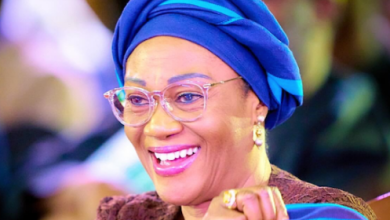
If elected, Badejo-Okunsanya would become the first woman to lead the NBA.
Beyond the candidates, the election has become a test of the association’s commitment to democracy, transparency and institutional independence, especially after months of disagreements among stakeholders.
At the centre of the controversy is the ECNBA, the body responsible for conducting the election. Although the committee was constituted by the NBA’s National Executive Council (NEC), questions have been raised over its composition and perceived independence.
The NBA President, Afam Osigwe, SAN, has repeatedly denied allegations of favouritism, insisting that he has no preferred candidate and may not participate in the voting process.
Speaking in Abuja on Friday, Osigwe said the election had been surrounded by unnecessary controversy, stressing that the association remained committed to conducting a free and fair exercise.
He dismissed claims that he was working to impose a particular candidate, arguing that all eligible aspirants had been allowed to contest.
“I don’t have any preferred candidate. I will not even vote at the election,” he said.
Osigwe also disclosed that the NBA had invited the Department of State Services (DSS) and foreign observers to monitor the process and assess the credibility of the voting system.
However, some senior lawyers have continued to accuse the NBA leadership of failing to maintain neutrality.
Ojo Adebayo, SAN, alleged that the crisis surrounding the election was caused by the NBA President, claiming that he had shown support for one of the candidates, Oyinkansola Badejo-Okunsanya.
Adebayo maintained that all three presidential candidates were qualified but argued that regional endorsements had influenced the process.
The role of regional politics has also generated debate, particularly following the endorsement of Akinboro by Egbe Amofin O’odua, a Yoruba lawyers’ group.
Supporters of the endorsement said it aligned with the NBA’s zoning arrangement, while critics argued that leadership should emerge through individual choice rather than regional consensus.
The controversy also moved to the courts after an Oyo State High Court granted interim orders that temporarily affected preparations for the election.
The Court of Appeal, Ibadan Division, later cleared the way for the election after nullifying the lower court proceedings and holding that disputes concerning the internal affairs of the NBA fall under the jurisdiction of the Federal High Court.
Another major disagreement followed the intervention of the Attorney-General of the Federation, Lateef Fagbemi, SAN, who recommended postponing the election, restructuring the ECNBA, changing the electronic voting provider and introducing National Identification Number (NIN) verification.
While some stakeholders supported the recommendations as measures to strengthen credibility, the NBA leadership opposed the move, insisting that the association’s internal affairs must remain independent of government influence.
Electronic voting, one of the NBA’s major democratic innovations, also came under scrutiny, with lawyers raising concerns over transparency, technology security and voter verification.
The ECNBA, however, said introducing NIN authentication at the final stage could create technical challenges and disrupt the election process.
Following deliberations at an emergency NEC meeting on Thursday, members voted for the election to proceed as scheduled and urged lawyers to participate peacefully.
Chief T. J. Okpoko, SAN, described the decision as a defence of the NBA’s independence, warning against external interference in the association’s affairs.
He said 137 members supported going ahead with the election, while 15 voted for postponement.
Despite the controversies, observers say the election provides an opportunity for the NBA to address weaknesses in its electoral system, including improving transparency, strengthening dispute-resolution mechanisms and reviewing rules guiding future polls.
The incoming President will face the challenge of rebuilding trust and uniting members after one of the most contentious election seasons in the history of the association.
With the NBA Annual General Conference scheduled to hold later in Port Harcourt, stakeholders believe the event could provide an avenue for reconciliation and renewed commitment to justice, rule of law and constitutional governance.