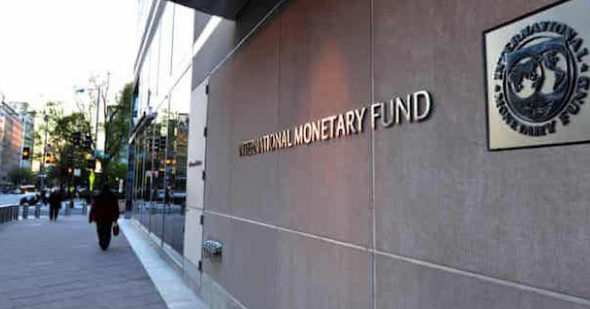
The International Monetary Fund (IMF) has warned that food insecurity could intensify across Nigeria and other African countries following economic disruptions linked to the Gulf War, raising concerns over the region’s fragile recovery.
In a blog post, the IMF’s Director of the African Department, Abebe Selassie, said Sub-Saharan Africa entered 2026 with improved economic momentum but now faces growing risks that could reverse recent gains.
He noted that the region recorded 4.5 per cent growth in 2025, its strongest in a decade, supported by easing inflation, stronger investment flows, and improved macroeconomic stability.
Countries such as Benin, Côte d’Ivoire, Ethiopia and Rwanda grew above six per cent, while inflation eased to around 3.5 per cent and debt pressures showed early signs of stabilisation.
However, Selassie warned that a prolonged conflict could destabilise global markets, push up commodity prices, and force difficult fiscal adjustments in highly indebted economies.
He said in a severe scenario, regional output could fall below projections, while inflation may rise further, especially in oil-importing countries.
He also cautioned that food insecurity remained one of the most immediate threats.
Rising fertiliser and shipping costs linked to global tensions, he said, were already straining food systems across the region.
A 20 per cent increase in global food prices, Selassie warned, could push over 20 million additional people into food insecurity and leave about 2 million children under five acutely malnourished.
He also pointed to worsening climate shocks, citing recent floods in Mozambique and Madagascar as evidence of rising vulnerability.
The IMF stressed that structural reforms are urgently needed to strengthen resilience, including improving the business environment, reforming state-owned enterprises, and boosting productivity.
It also called for deeper regional integration under the African Continental Free Trade Area to strengthen supply chains and expand markets.
The Fund further raised concerns over declining foreign aid, noting that 2025 marked a major shift in global assistance flows, with fragile states most affected.
It warned that reduced aid is already weakening essential services, particularly healthcare.
On debt, the IMF said more than one-third of countries in the region are either at high risk of debt distress or already experiencing it.
Rising interest costs and reduced concessional financing, it added, were increasing repayment burdens and limiting development spending.
It also flagged growing financial risks from increased domestic borrowing, which is tightening links between government debt and banking systems in some countries.
Meanwhile, the 10th edition of the Global Report on Food Crises showed that acute hunger has doubled over the past decade.
The report found that 266 million people across 47 countries faced high levels of food insecurity in 2025, while 1.4 million people were in catastrophic conditions across countries including Sudan, Gaza, Yemen and Haiti.
It also revealed that 35.5 million children were acutely malnourished last year, including nearly 10 million with severe acute malnutrition.
UN officials warned that food insecurity is becoming a persistent global crisis rather than a temporary shock, with geopolitical conflicts, climate change and falling aid combining to worsen conditions.
The report further projected that Nigeria could see one of the largest increases in acute hunger in 2026, with about 4.1 million additional people expected to fall into food insecurity, alongside worsening conditions in parts of the Sahel and East Africa.
Humanitarian funding for food systems, it added, fell sharply in 2025 and is expected to decline further this year, deepening the crisis in already vulnerable regions.